
Our blogs

Our Process

This image from harnile

How Handmade Moroccan Ceramics Are Made

Moroccan ceramics are more than beautiful home décor—they are the result of generations of craftsmanship, patience, and tradition. Every handmade piece begins with natural clay and passes through a series of carefully practiced steps before becoming part of your home.

At Harnile, we work with skilled Moroccan artisans who continue these traditional techniques, creating ceramics that reflect the rich cultural heritage of the Middle Atlas region. While each artisan has their own methods, the process remains rooted in time-honored craftsmanship passed down through generations.

This image from harnile

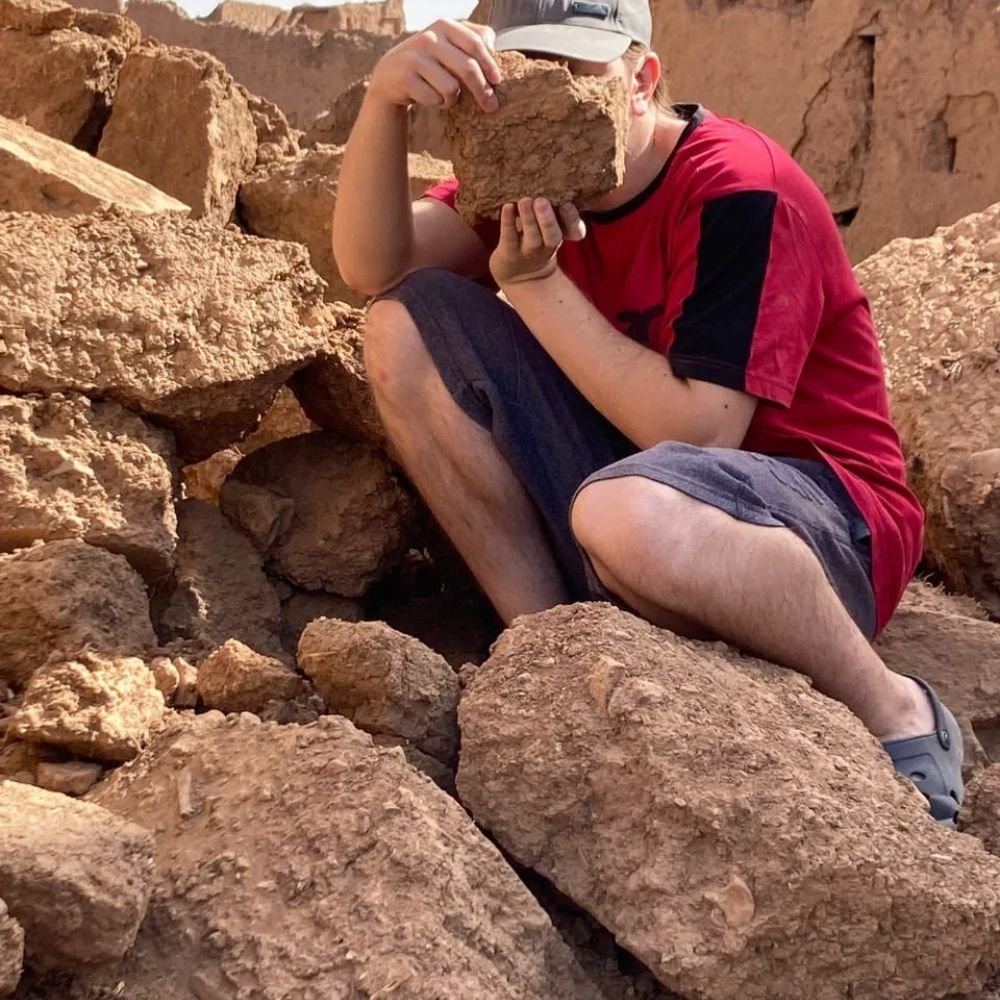
Sourcing the Clay

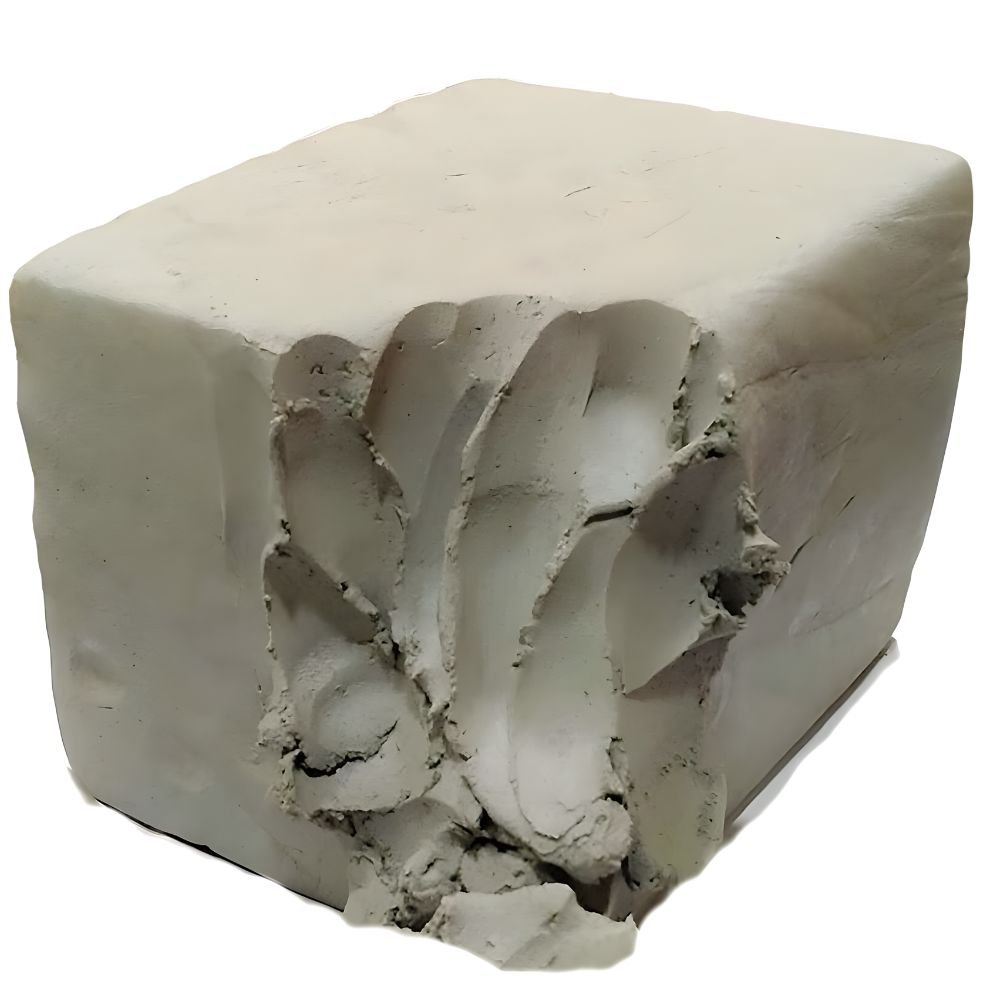
Every ceramic piece begins with carefully selected natural clay sourced from Morocco. Artisans choose clay for its strength, texture, and suitability for handcrafted pottery.

After collection, the clay is cleaned and prepared by hand to remove natural impurities. Water is added gradually while the clay is mixed and kneaded until it reaches the ideal consistency for shaping.

This careful preparation creates a smooth, workable material that forms the foundation of every handcrafted piece.

This image from harnile

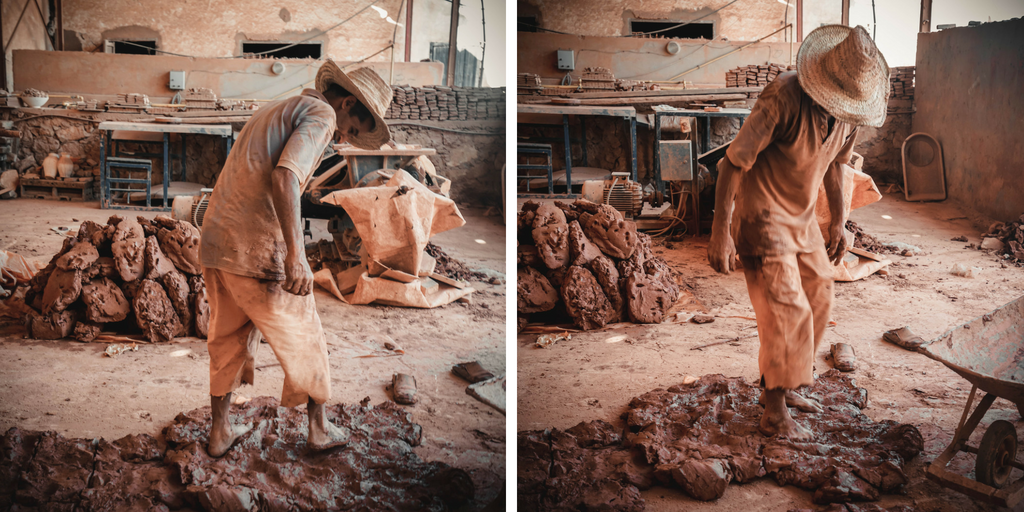
Preparing the Clay

Before shaping begins, the clay is kneaded thoroughly by hand. This traditional process removes trapped air and creates an even texture, helping improve the strength and durability of the finished ceramic.

Experienced artisans know when the clay is ready through years of practice, ensuring each piece starts with the best possible foundation.

This image from harnile

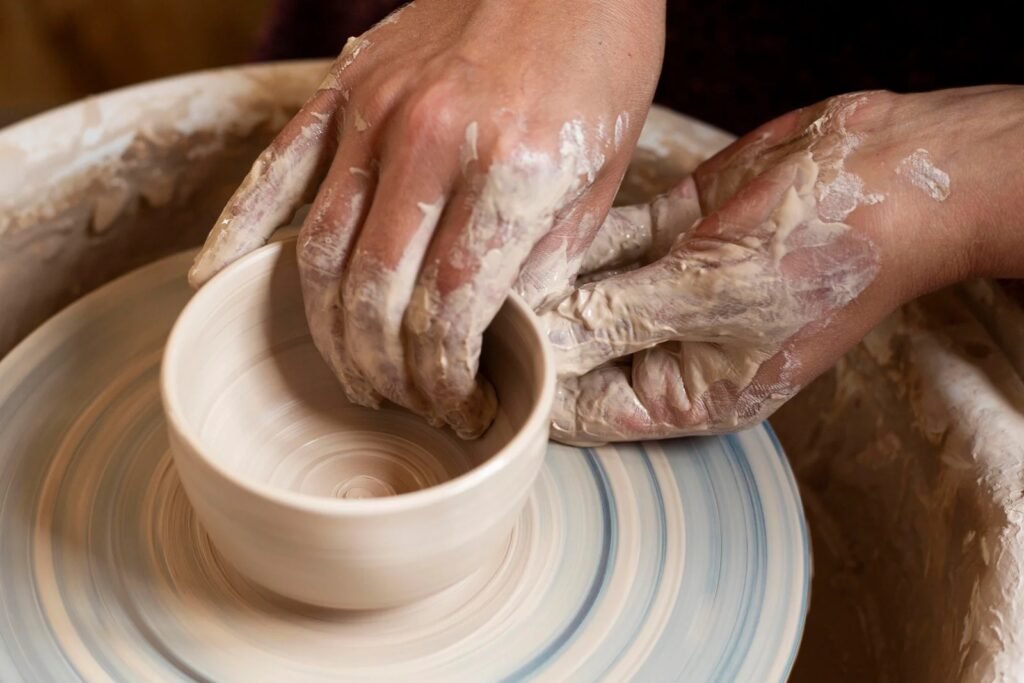
Shaping Each Piece

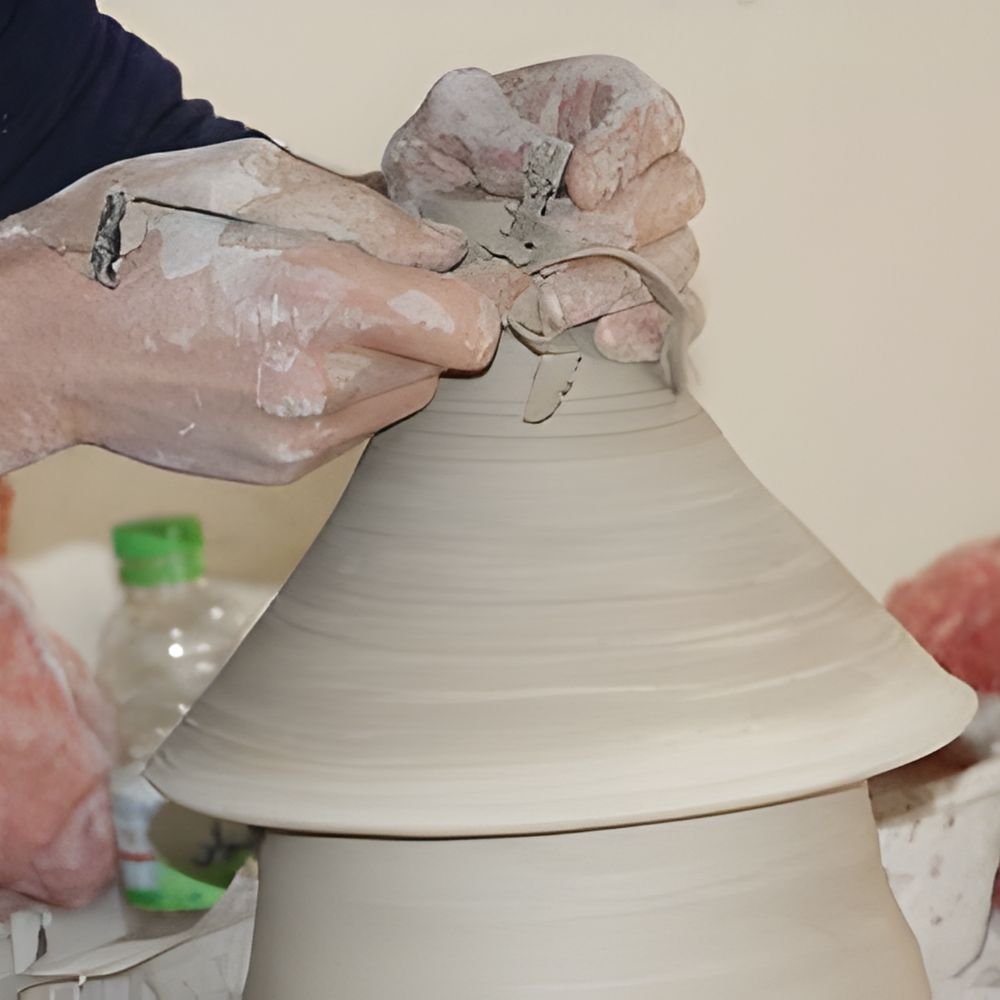
Once the clay is prepared, artisans begin shaping each item by hand or on a traditional pottery wheel.

Bowls, plates, tagines, serving platters, and decorative pieces are formed individually using techniques refined over generations. Every movement requires precision, patience, and experience.

Because every piece is handmade, slight variations in shape, size, colour, or glaze are natural. These unique differences are part of what makes handmade Moroccan ceramics so special.

This image from harnile

Natural Drying

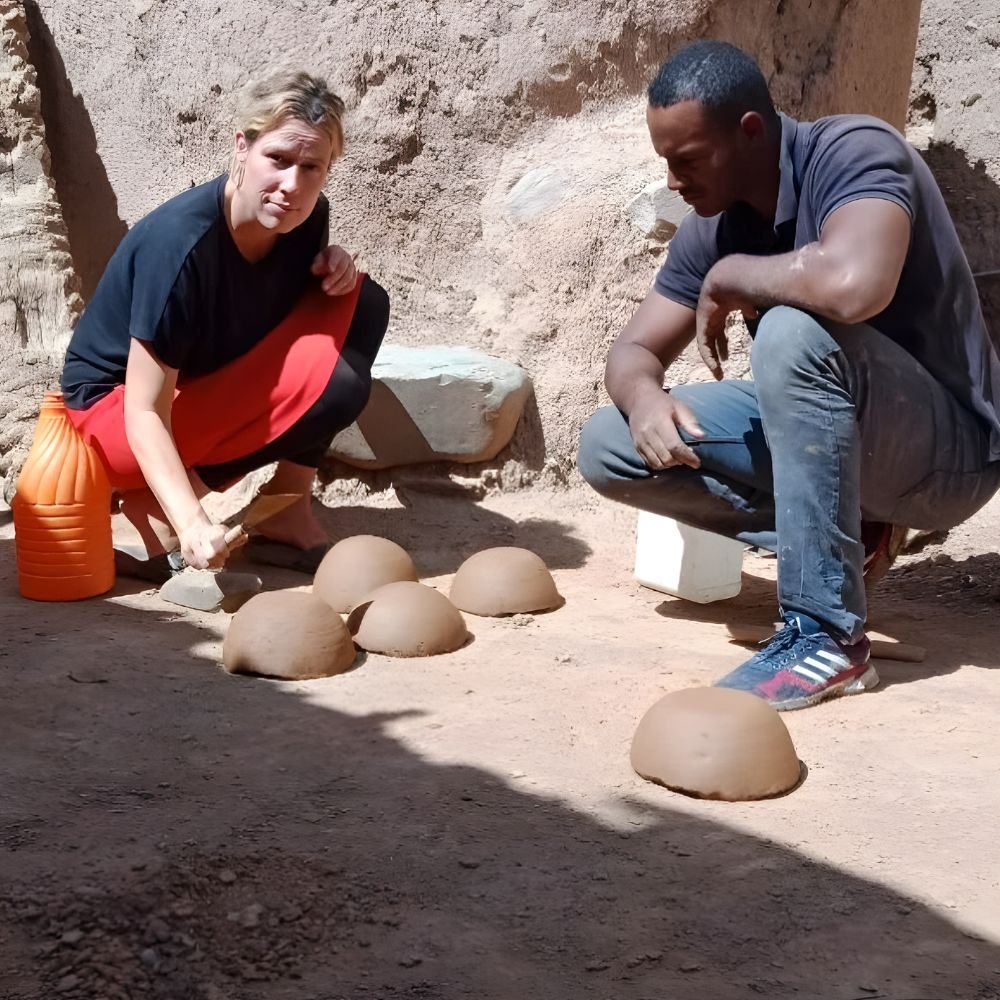
After shaping, the ceramics are left to dry naturally over several days.

This slow drying process allows moisture to evaporate gradually, helping reduce the risk of cracks while preparing each piece for firing. Rather than rushing the process, artisans allow time to play its important role in creating durable ceramics.

This image from harnile

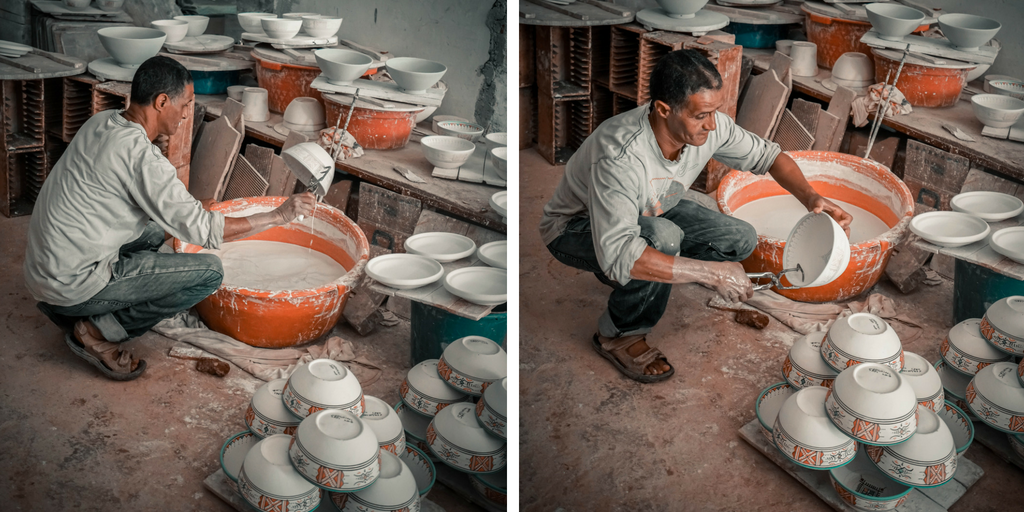
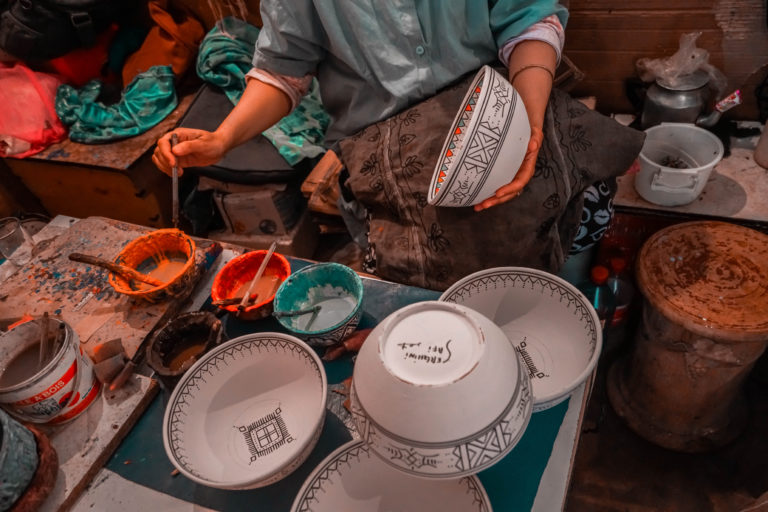
Hand Decoration and Glazing

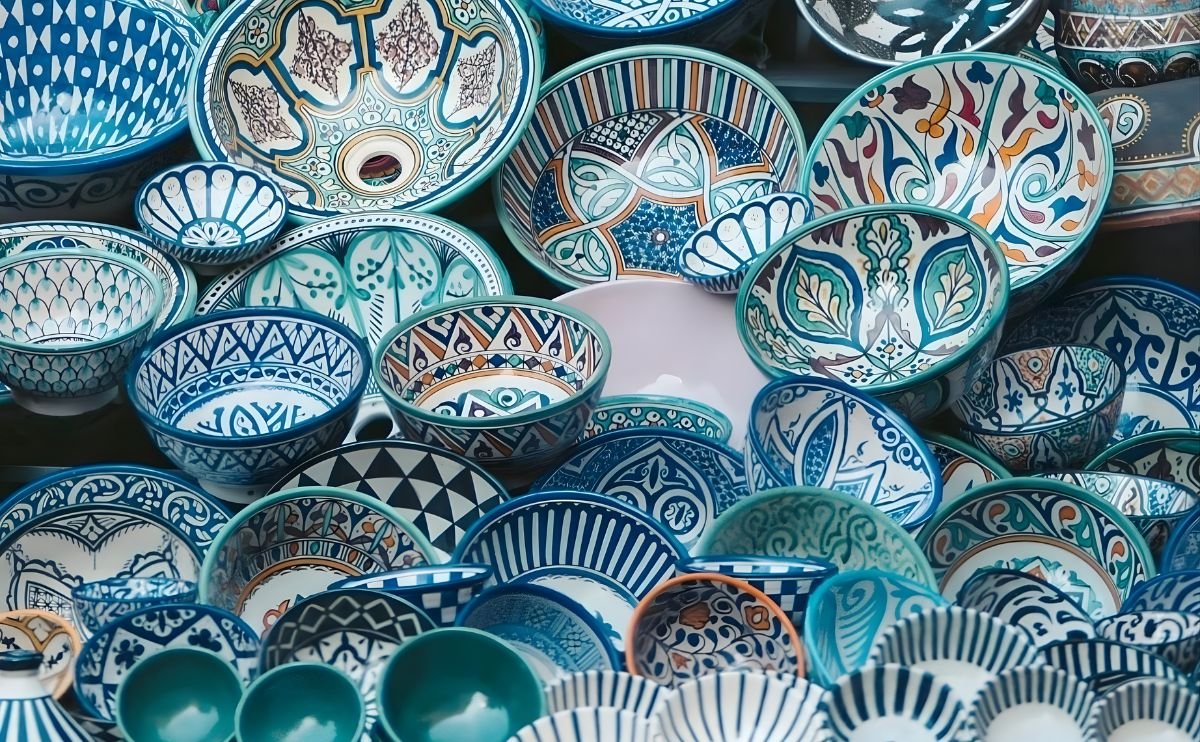
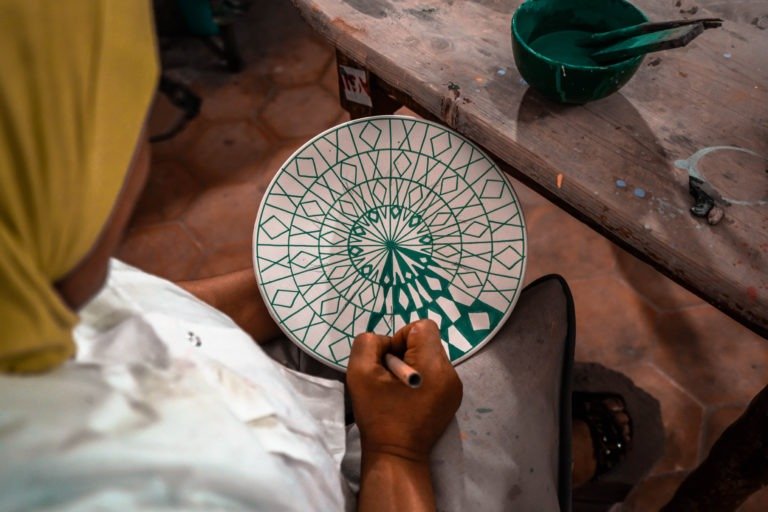
One of the defining characteristics of Moroccan ceramics is their distinctive decoration.

Many designs are inspired by Amazigh (Berber) traditions, Islamic geometric patterns, and regional artistic influences that have been passed down through generations.

Each decoration is applied by hand using careful brushwork and traditional techniques. Glazes are then added to create vibrant colours, smooth finishes, and long-lasting protection.

Since every decoration is painted by hand, no two ceramic pieces are ever exactly alike.

This image from harnile

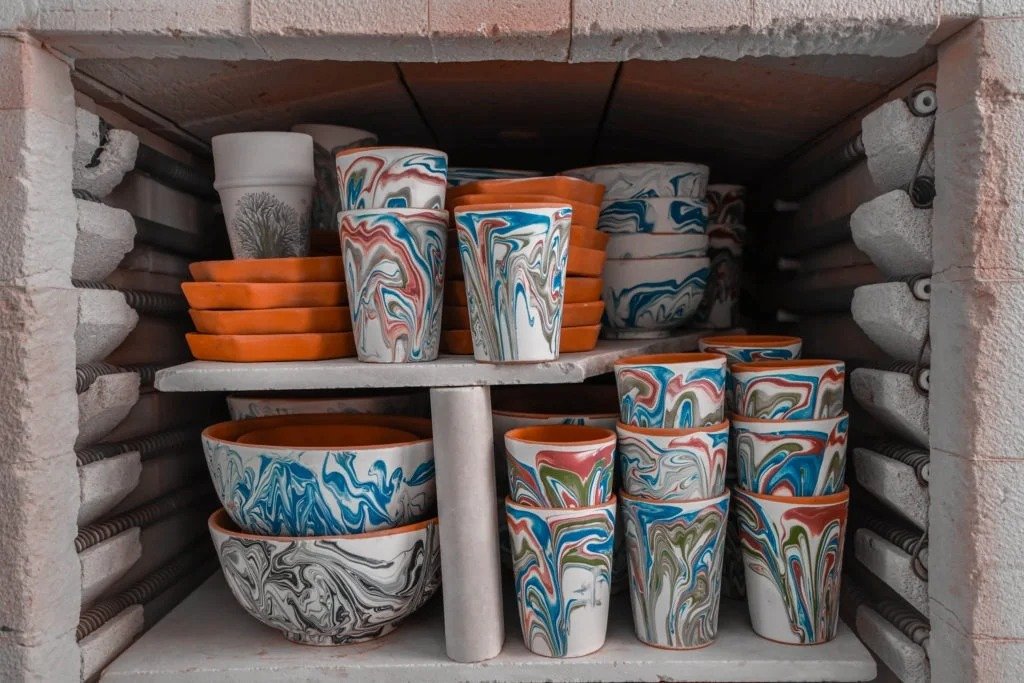
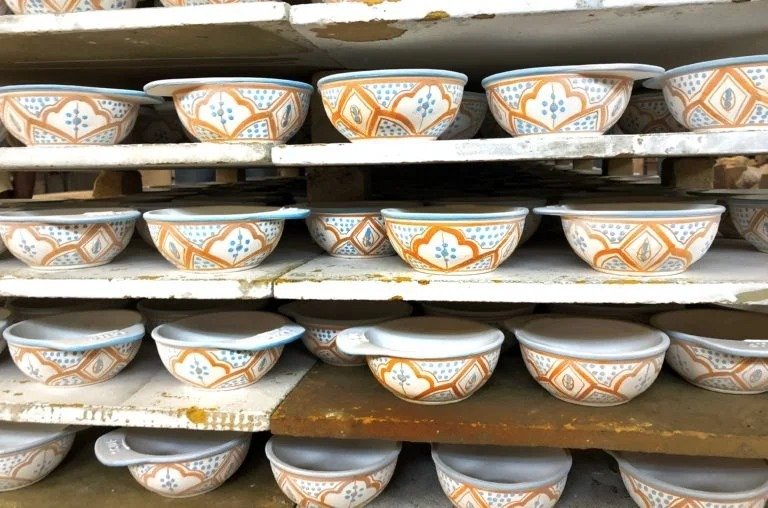
Firing in the Kiln

Once decorated, the ceramics are carefully fired in a kiln.

The heat permanently hardens the clay and bonds the glaze to the surface, creating the strength and durability that handmade Moroccan ceramics are known for.

After cooling, each piece is individually inspected to ensure it meets our quality standards before being prepared for shipment.

Firing in the Kiln
Firing in the Kiln

Preserving a Living Tradition

Moroccan ceramic making has been part of everyday life for centuries. Today, skilled artisans continue to preserve these traditional techniques while creating pieces that can be enjoyed in modern homes around the world.

At Harnile, we are proud to work with Moroccan artisans who continue this heritage through handcrafted ceramics that celebrate culture, craftsmanship, and timeless design.

Whether displayed as décor or used every day around the table, every piece carries the story of the hands that made it.