Our blogs

How to Style Your Table with Handmade Art

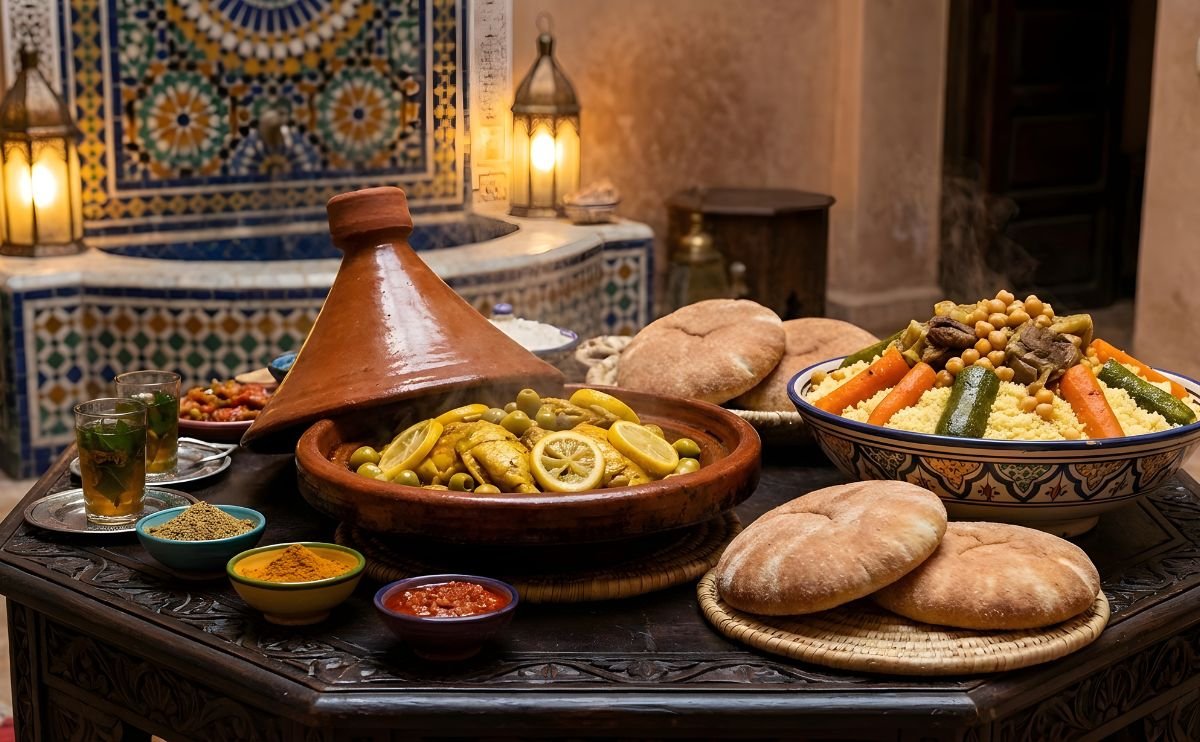
This image from harnile
Harnile
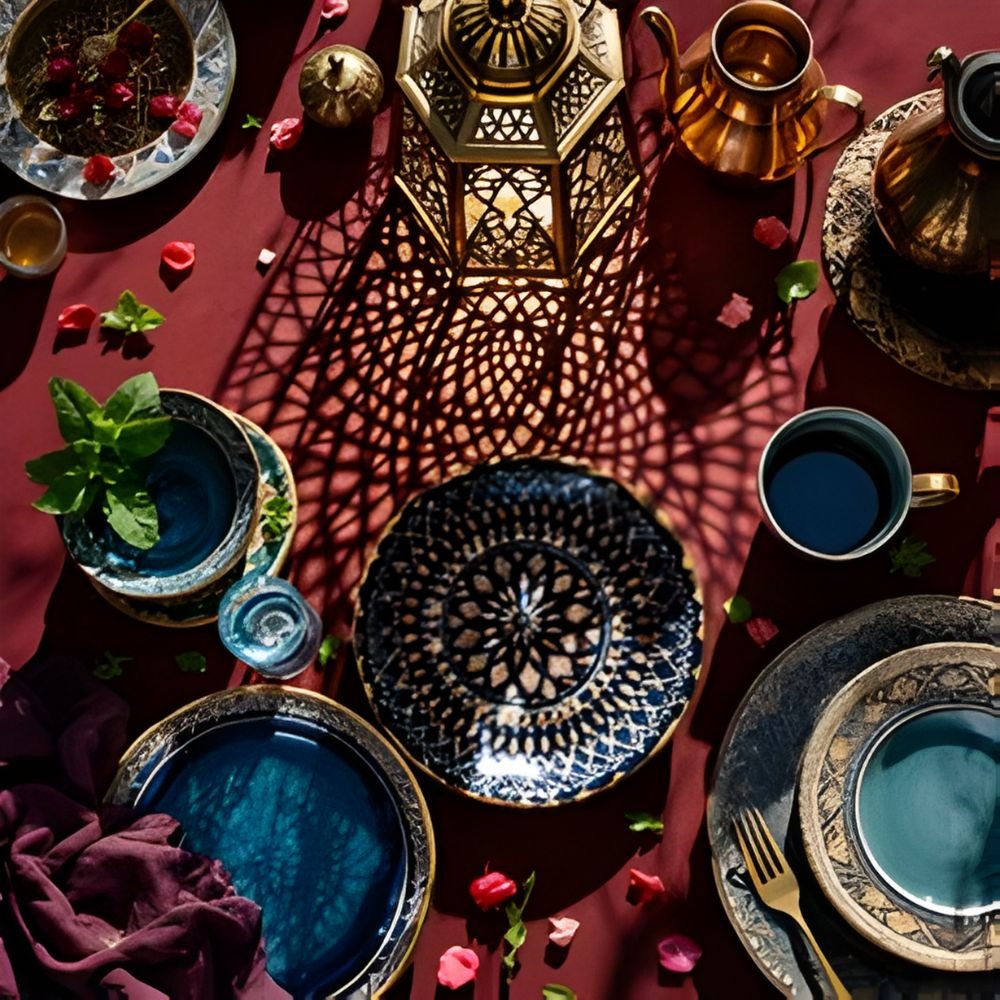
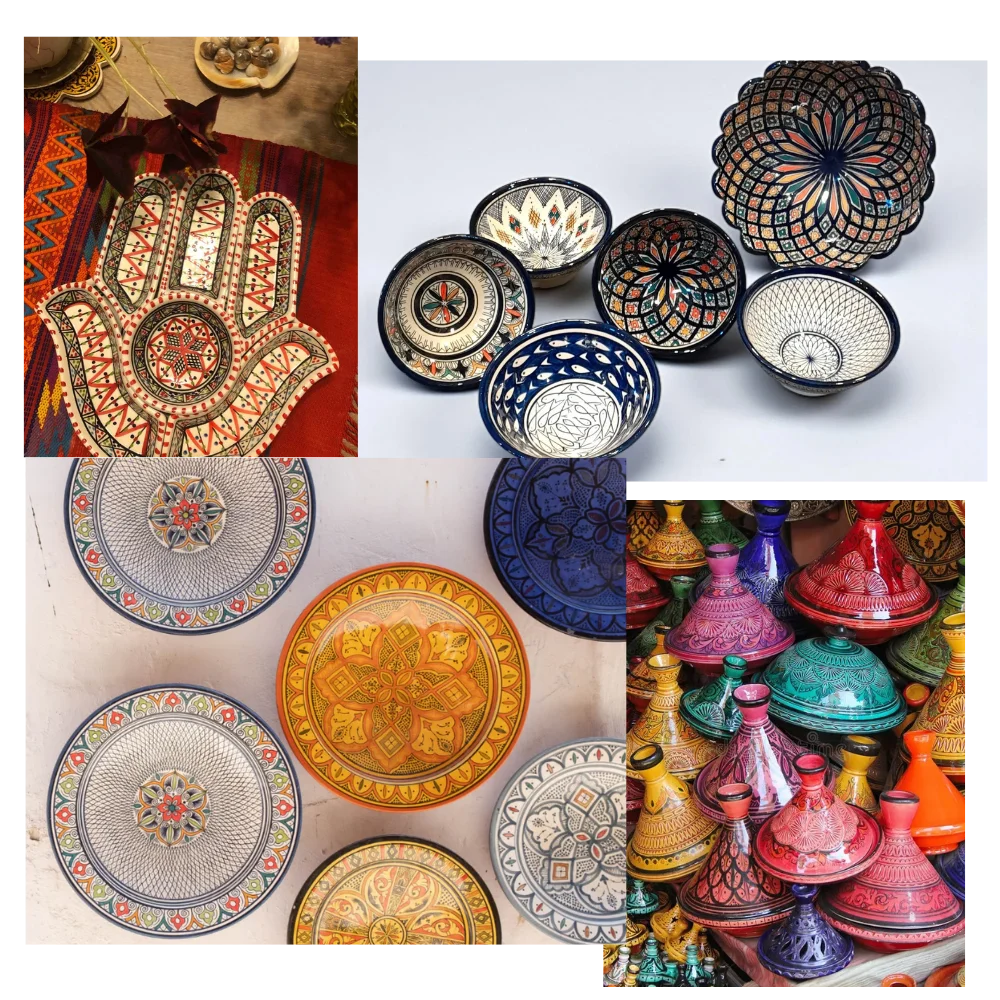
ceramics arrange across Middle Atlas tables following meal flows, hand-reach geometry, and seasonal light patterns.

Surface Selection by Dining Posture

Knee-height masonry tables with cedar insets suit floor seating—surfaces leveled by rubbing stones, edges adzed round. Trestle boards from walnut planks span 1.8 m for six; tripod legs sink ground 15 cm against wobble. High tables pair with backless benches, legs splayed 25 degrees for leaners.

Foundational Plate Mathematics

Dinner plates (24 cm) space 38 cm center-to-center allowing elbow clearance; stack 2-high salad over main with 1 cm rim jogs. Chargers underlay 30 cm diameter catching spills; foot rings 12 mm proud ventilate stacks. Chargers rotate 15 degrees offset breaking symmetry.

Bowl Nesting Gradations

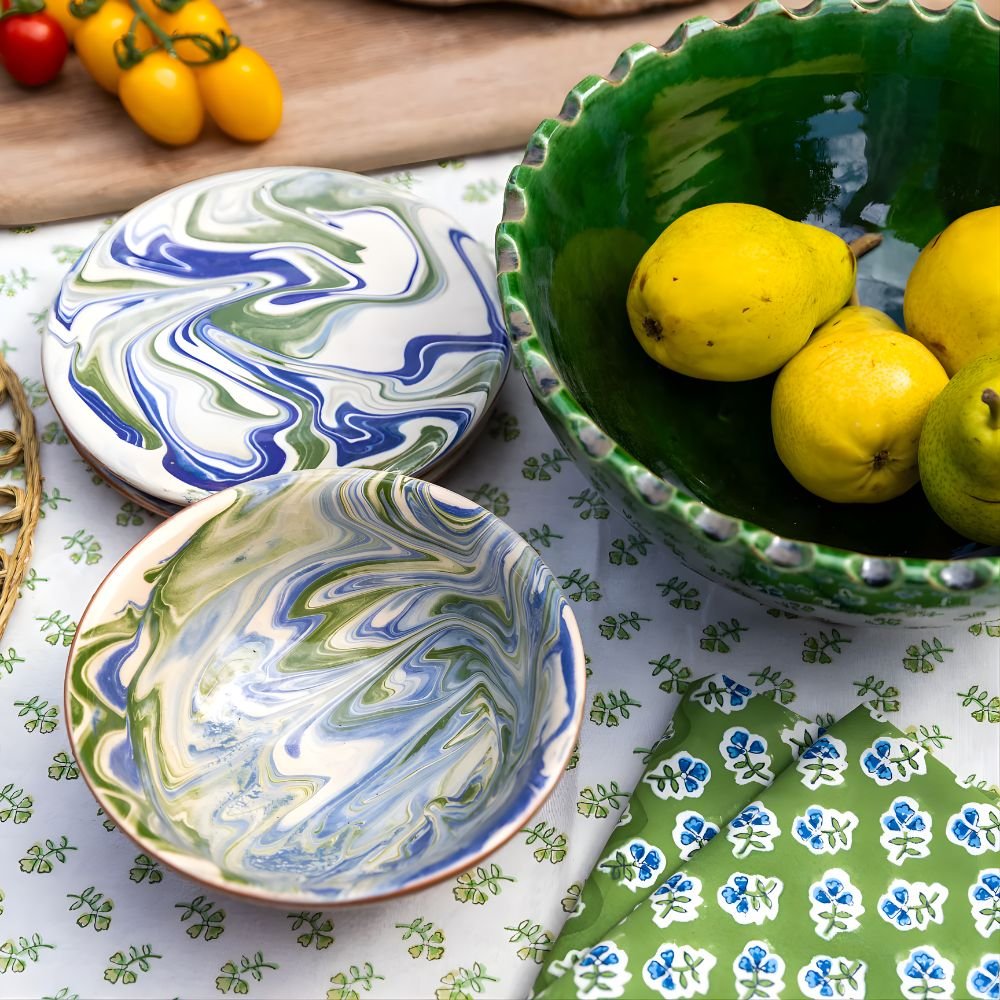
Cereal bowls (14 cm) tuck inside serving (22 cm) with 3 cm rim reveal; thumb indentations face dominant hands. Fruit nappy bowls (10 cm) cluster threes around central steamer, handles radial for grab. Vertical stacks limit 4-high before wobble.
This image from harnile

Liquid Service Ergonomics

Pitchers anchor table quarters, spouts 18 cm from edges minimizing reach; six tumblers arc beside in pairs, bases jogged for separation. Teapots squat centerline with lid props of folded wool felt. Oil bottles (12 cm) ring in hexagonal clay stands absorbing glisten trails.

Fiber Architecture Rules

Hemp runners weave 6 cm wide with 10 cm knotted fringe trailing off ends; quarter squares linen napkins pin under plate centers. Rush mats (30×30 cm) under hot pots diffuse 200°C bases; weave gaps breathe preventing steam pockets.
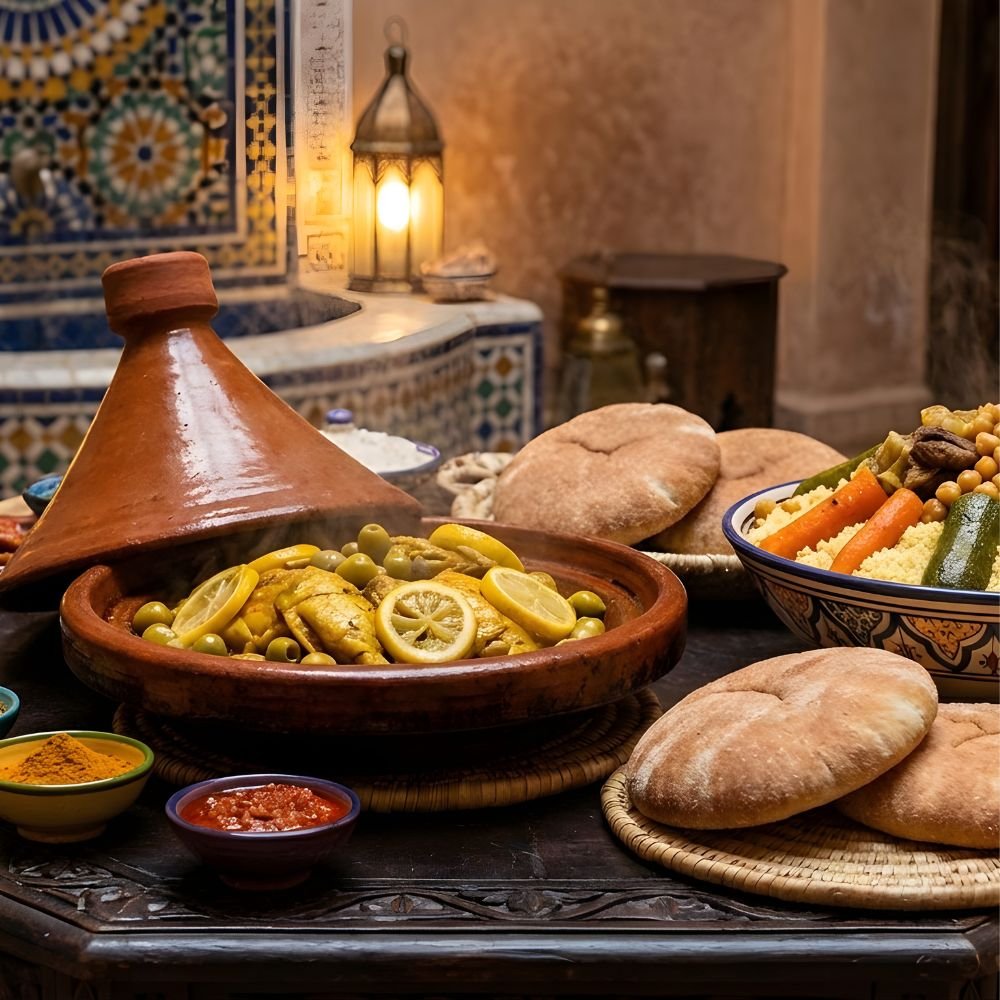
This image from harnile

Heat Management Infrastructure

Trivets tile 5×5 unglazed sherds under tagines; spoon rests notch serving boat rims holding 100g ladles. Pot board from 2 cm walnut slab centers tagine steamers; drainage channels route condensate to central ewers.

Meal Progression Choreography

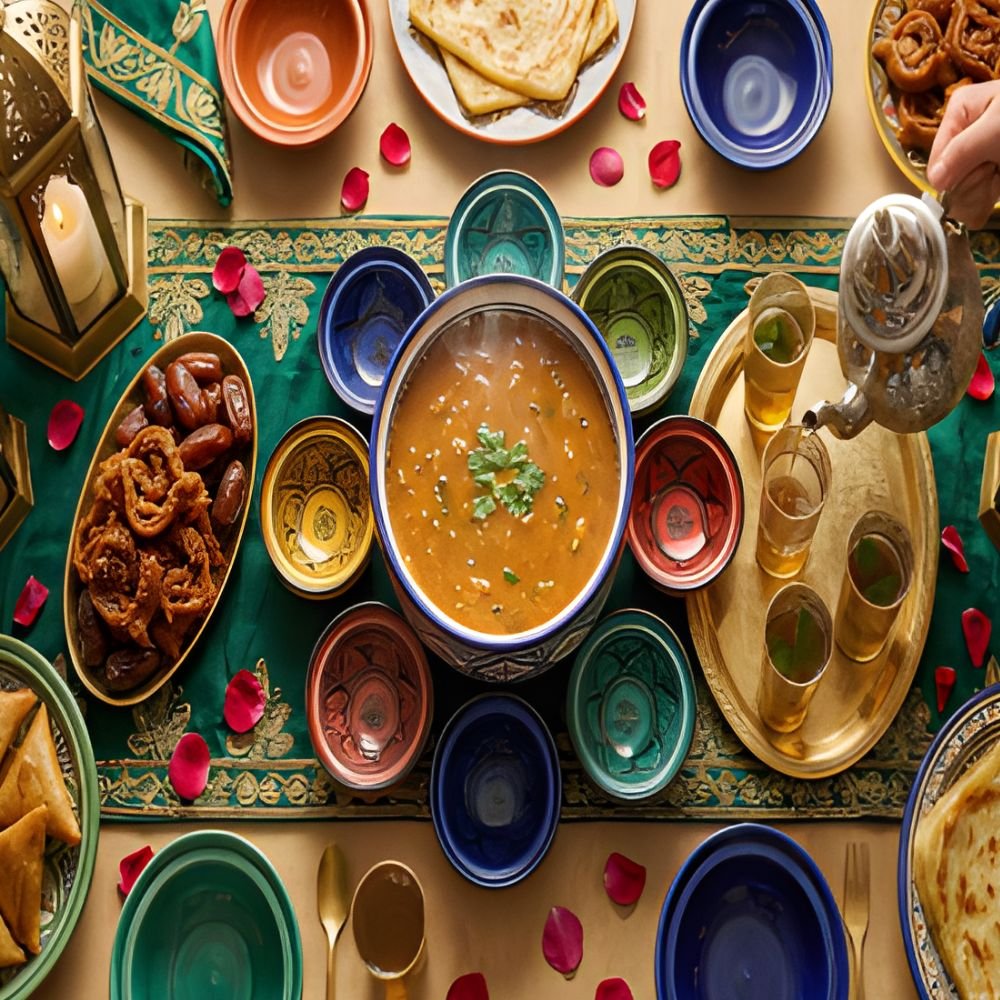
Solo service: centered progression mug-plate-bowl linear 45 cm total reach. Duo mirror plates across 90 cm axis; shared oval platter bridges midpoint. Quartet quadrants ray from central couscousier; satellite dishes orbit 25 cm radial. Banquet lines 3 m platters end-to-end with 50 cm service gaps.
This image from harnile

Middle Atlas Style (Amazigh Influence)

The Middle Atlas ceramic style is deeply connected to Amazigh heritage. It is more organic and symbolic compared to urban styles.

Key characteristics:

Geometric and abstract motifs

Protective and fertility symbols

Earth-based tones and natural color palettes

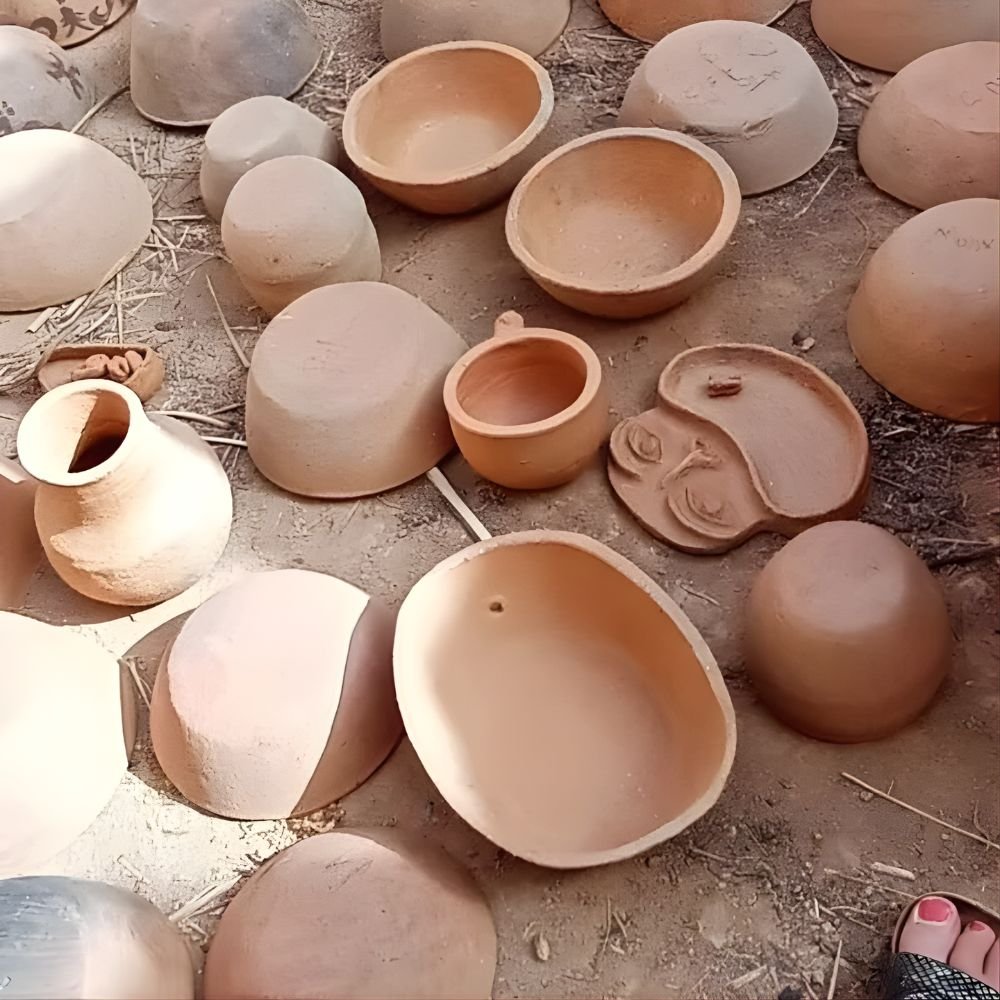
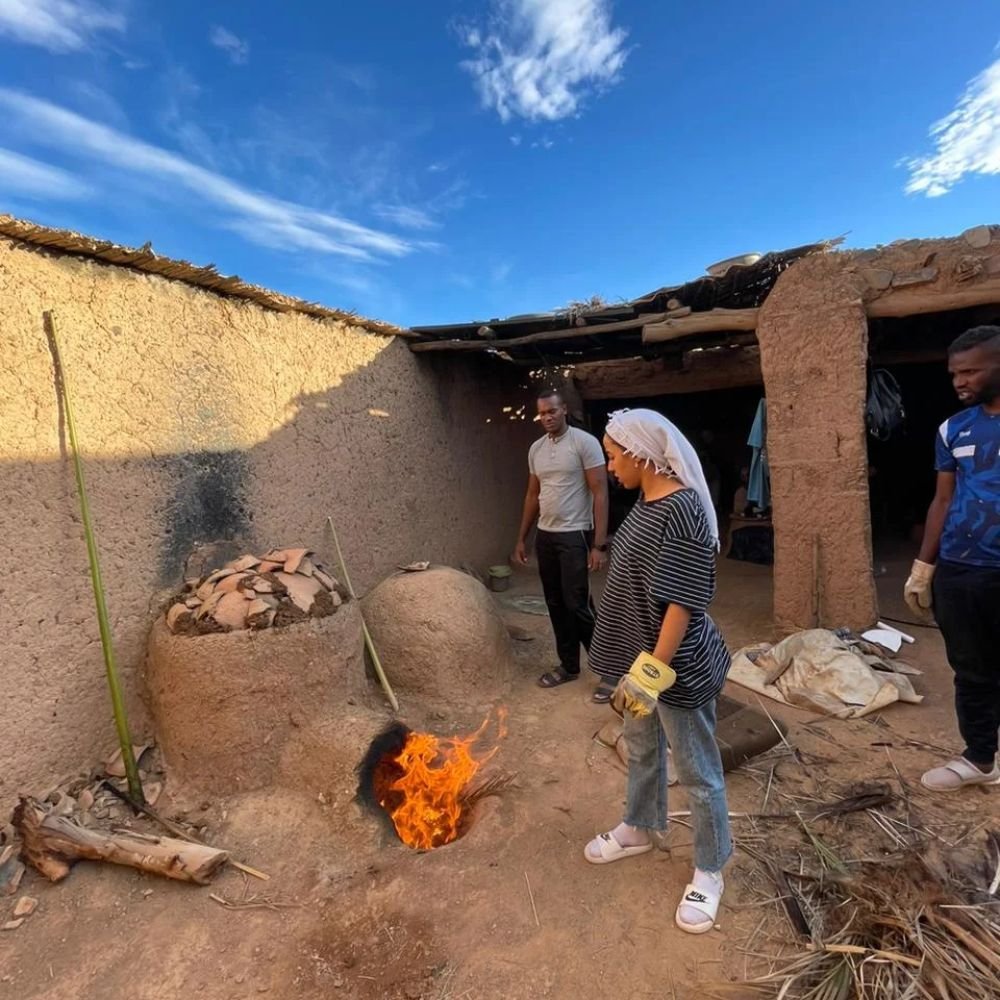
Rustic, handmade aesthetic

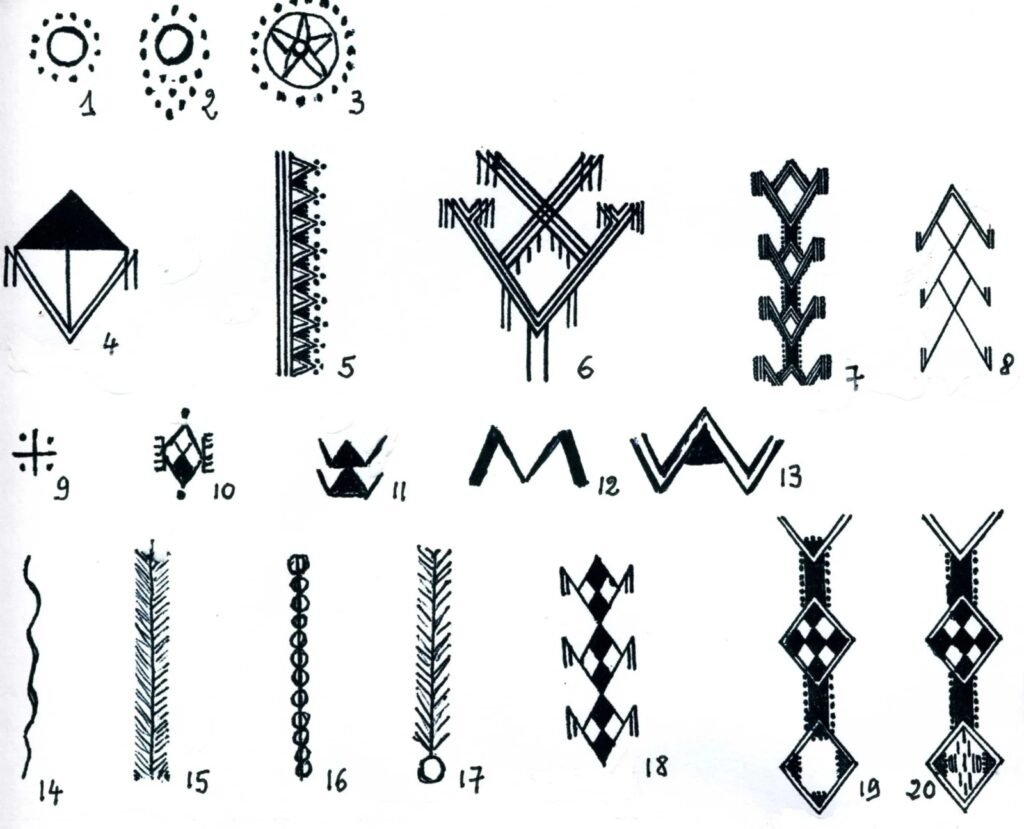
Rather than floral decoration, Middle Atlas ceramics rely heavily on Amazigh visual language — diamonds, zigzags, triangles, and symbolic markings that connect ceramics to Amazigh rugs and jewelry.

This style feels grounded, cultural, and closely tied to rural life.

This image from harnile

Leave a Reply

Your email address will not be published. Required fields are marked *