Blog
Moroccan Ceramic Styles
A Regional Guide to Moroccan Ceramic Styles: Form, Colour, and Cultural Identity
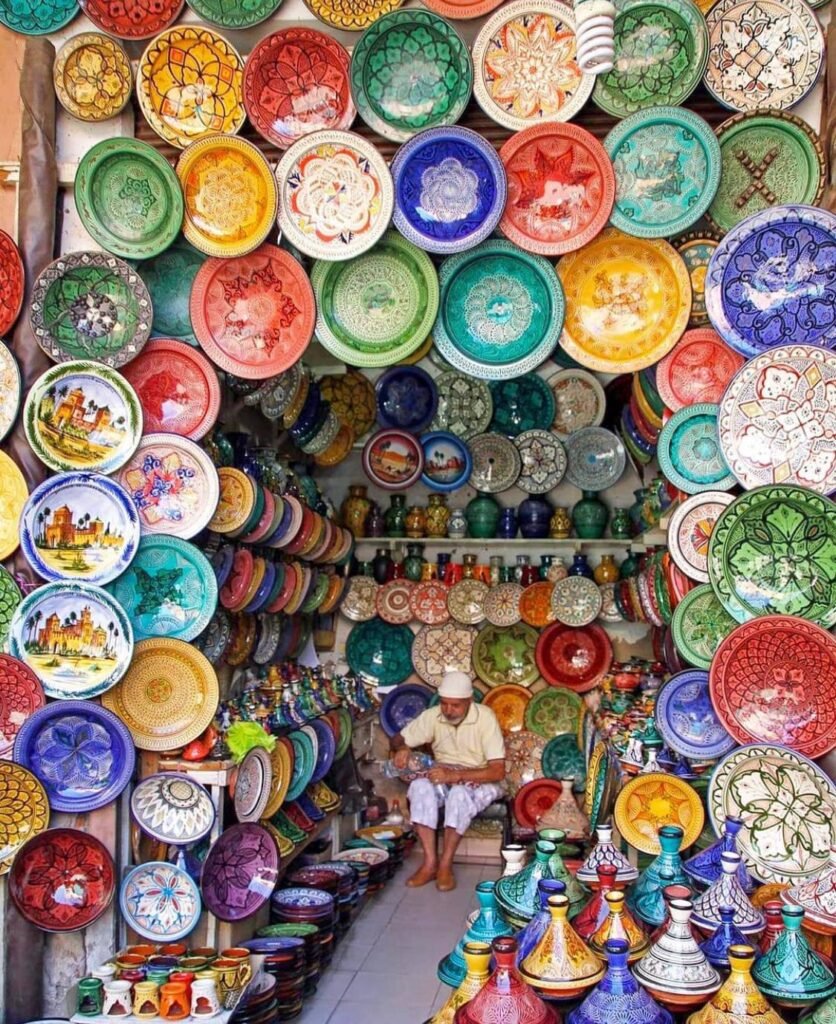
Moroccan ceramics are celebrated around the world for their beauty, craftsmanship, and rich cultural heritage. Rather than following a single style, ceramic traditions vary from one region to another, with each area developing its own colours, patterns, and techniques over centuries.
From the symbolic designs of the Middle Atlas to the intricate decoration of Fez and the earthy glazes of Tamegroute, every region tells a different story through clay and craftsmanship.
Understanding these regional traditions helps you appreciate not only the beauty of Moroccan ceramics, but also the people and cultures behind them.
Middle Atlas Style (Amazigh Heritage)
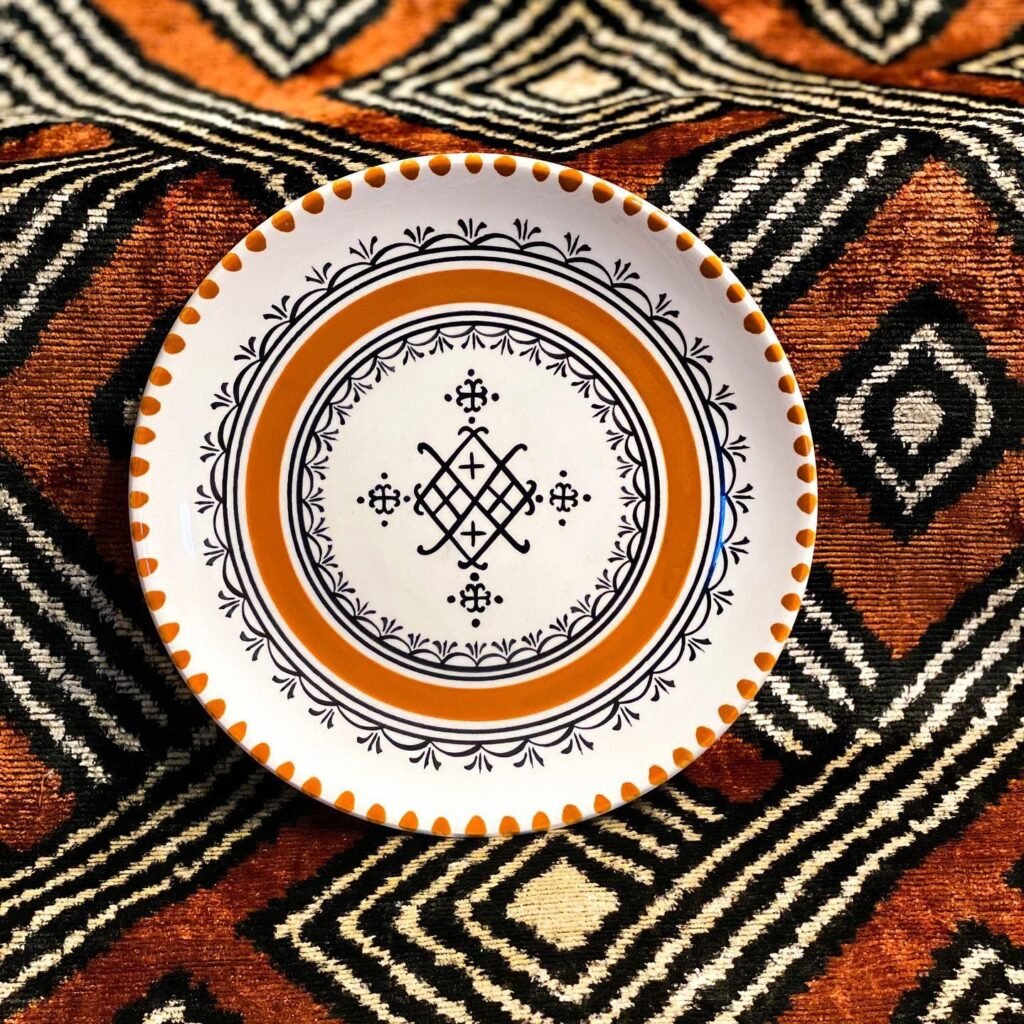
The ceramic traditions of Morocco’s Middle Atlas are deeply rooted in Amazigh (Berber) culture. Unlike the highly decorative styles found in some cities, Middle Atlas ceramics are known for their simple forms, symbolic decoration, and natural colours.
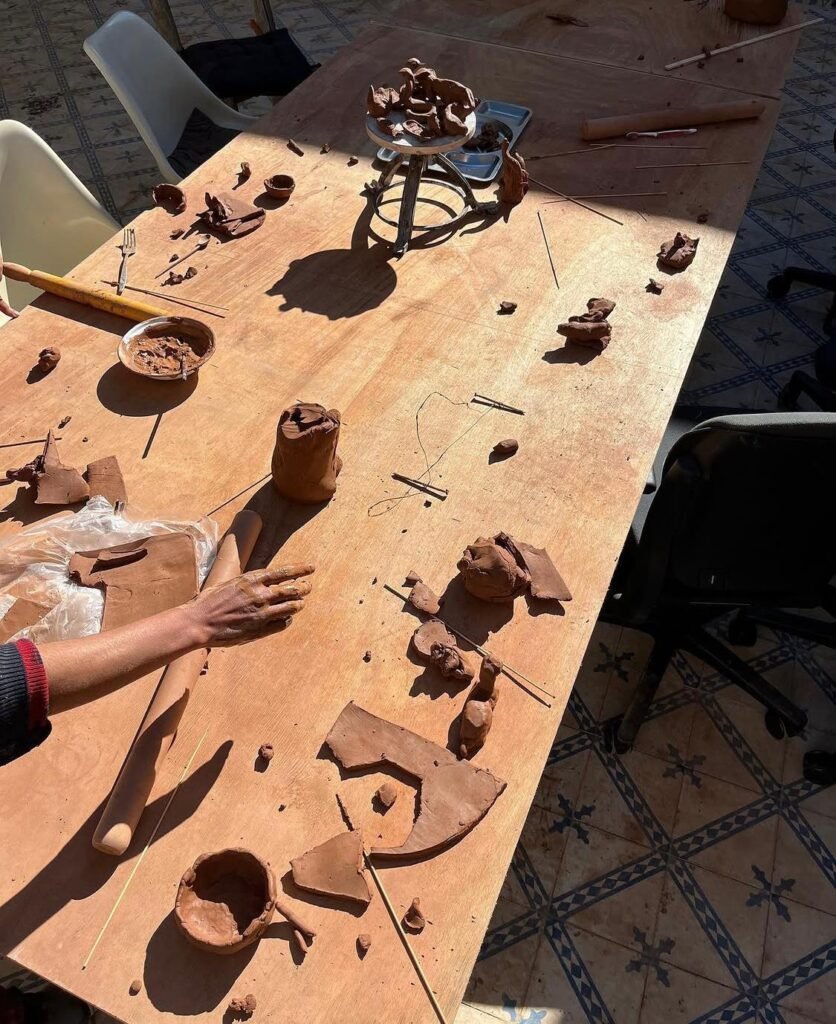
Many artisans continue to create pieces using techniques that have been passed down through generations, preserving a style that reflects everyday life, local traditions, and a close connection with the surrounding landscape.
Characteristics of Middle Atlas Ceramics
Middle Atlas ceramics are often recognised by:
- Hand-painted geometric patterns
- Earth-inspired colour palettes
- Rustic handmade finishes
- Natural variations that make every piece unique
- Designs influenced by Amazigh artistic traditions
Rather than striving for perfect uniformity, these ceramics celebrate the individuality that comes with true handmade craftsmanship.
Amazigh Symbols and Their Meaning
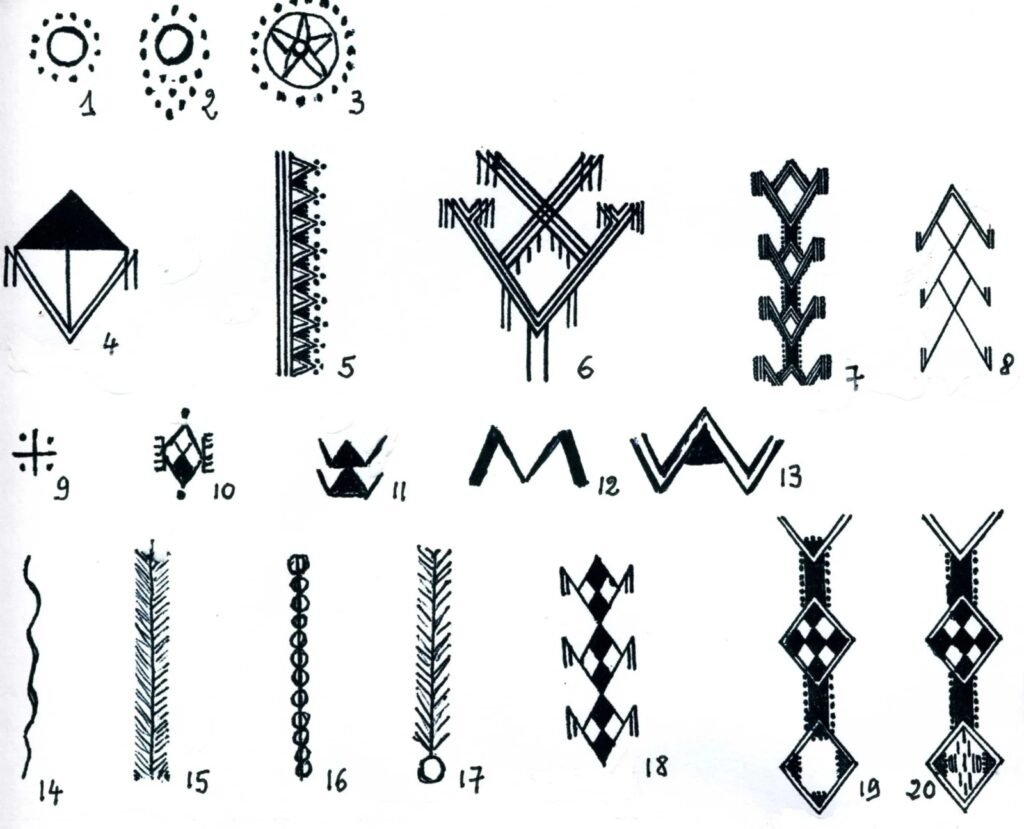
One of the most distinctive features of Middle Atlas ceramics is the use of Amazigh-inspired motifs. Similar patterns can also be found in traditional Amazigh rugs, jewellery, textiles, and architecture.
Although interpretations vary between communities and artisan families, some commonly recognised symbols include:
- Diamonds – often associated with protection and femininity.
- Triangles – commonly linked to balance, family, and fertility.
- Zigzag lines – frequently interpreted as symbols of water, movement, or the journey of life.
- Parallel lines – representing continuity, stability, and strength.
- Abstract eye motifs – traditionally believed by some communities to offer protection.
These patterns are more than decorative elements. They reflect generations of cultural knowledge and artistic expression that continue to inspire Moroccan craftsmanship today.
Other Famous Moroccan Ceramic Traditions
Morocco is home to several distinctive ceramic traditions, each shaped by local history and craftsmanship.
Fez
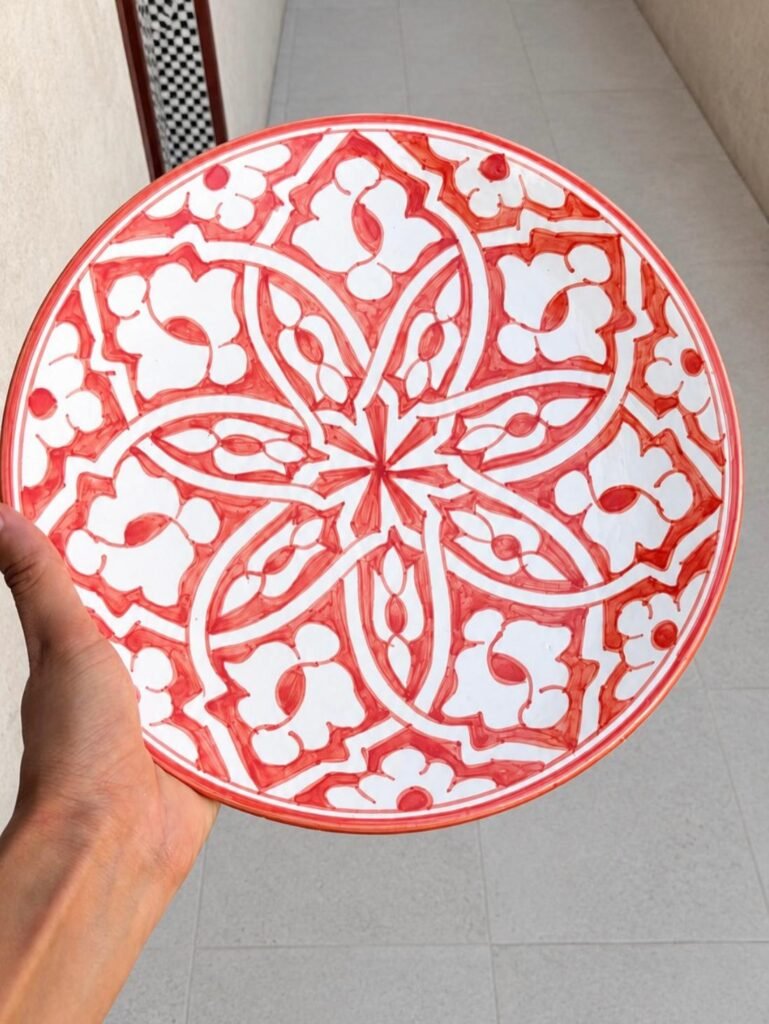
Fez is known for its refined craftsmanship, detailed floral motifs, and elegant blue-and-white colour combinations. The city’s ceramic tradition reflects centuries of artistic influence and is recognised for its precision and balance.
Safi
Often considered Morocco’s pottery capital, Safi is famous for its hand-painted tableware and decorative ceramics. Artisans create colourful plates, bowls, tagines, and serving pieces that combine traditional techniques with everyday functionality.
Tamegroute
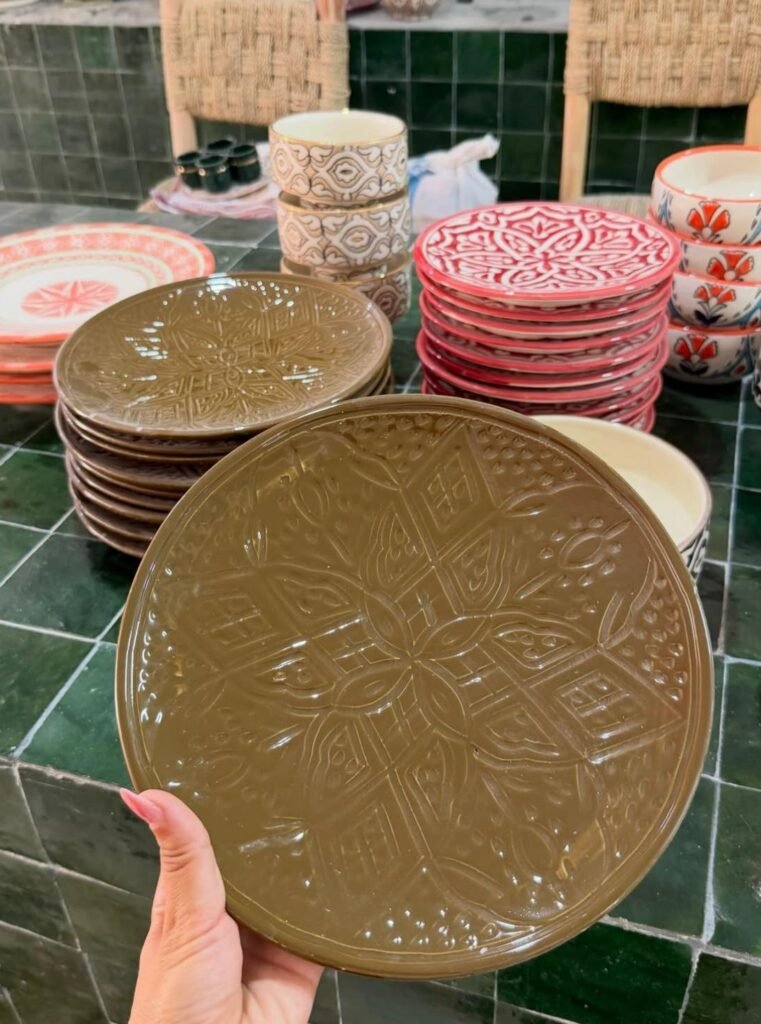
The village of Tamegroute is renowned for its distinctive green glaze. Produced using traditional firing methods, these ceramics feature earthy textures and natural variations that make every piece unique.
Together, these regional styles demonstrate the remarkable diversity of Moroccan ceramic craftsmanship.
Our Middle Atlas Ceramic Collection
At Harnile, our collection is inspired by the ceramic traditions of Morocco’s Middle Atlas, where generations of skilled artisans have preserved Amazigh craftsmanship through handmade pottery. Every piece reflects the region’s distinctive artistic heritage, combining traditional techniques with timeless designs for modern homes.
Our collection celebrates authentic craftsmanship, cultural identity, and the beauty of handmade ceramics.
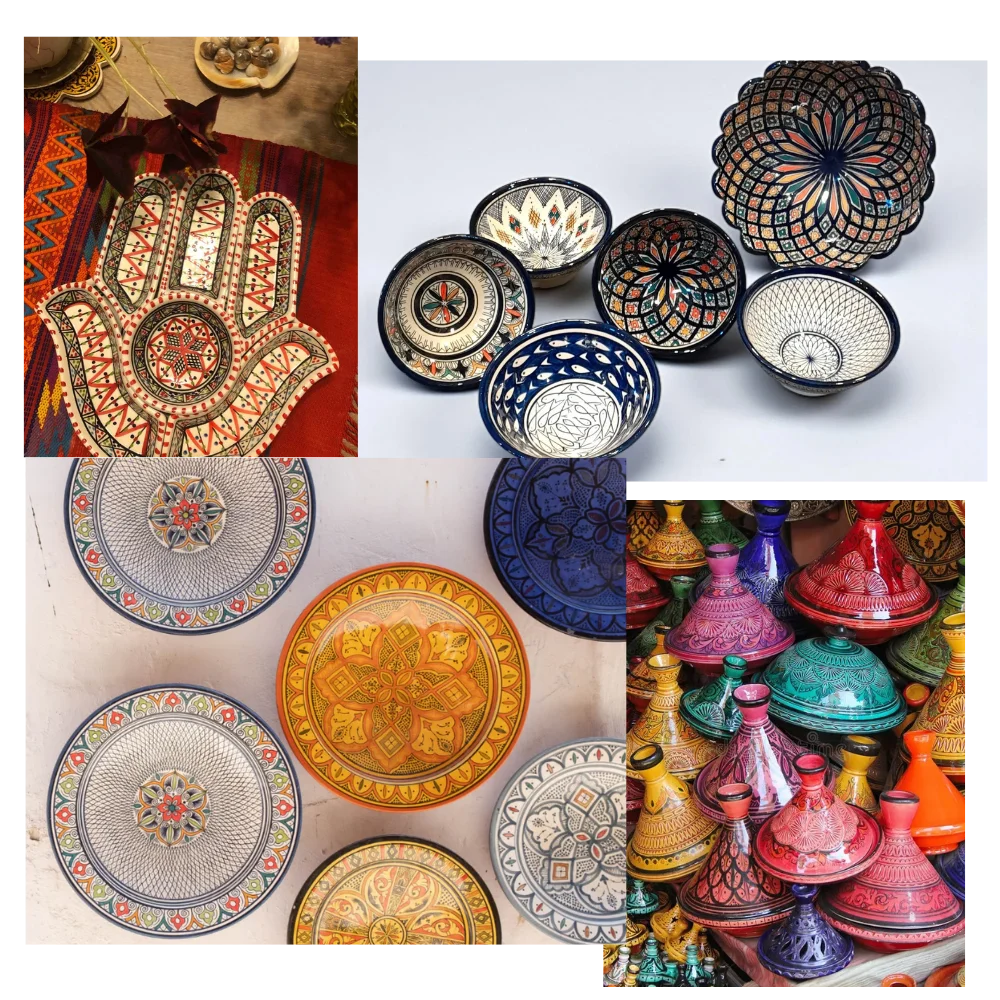
Ceramic Tagines
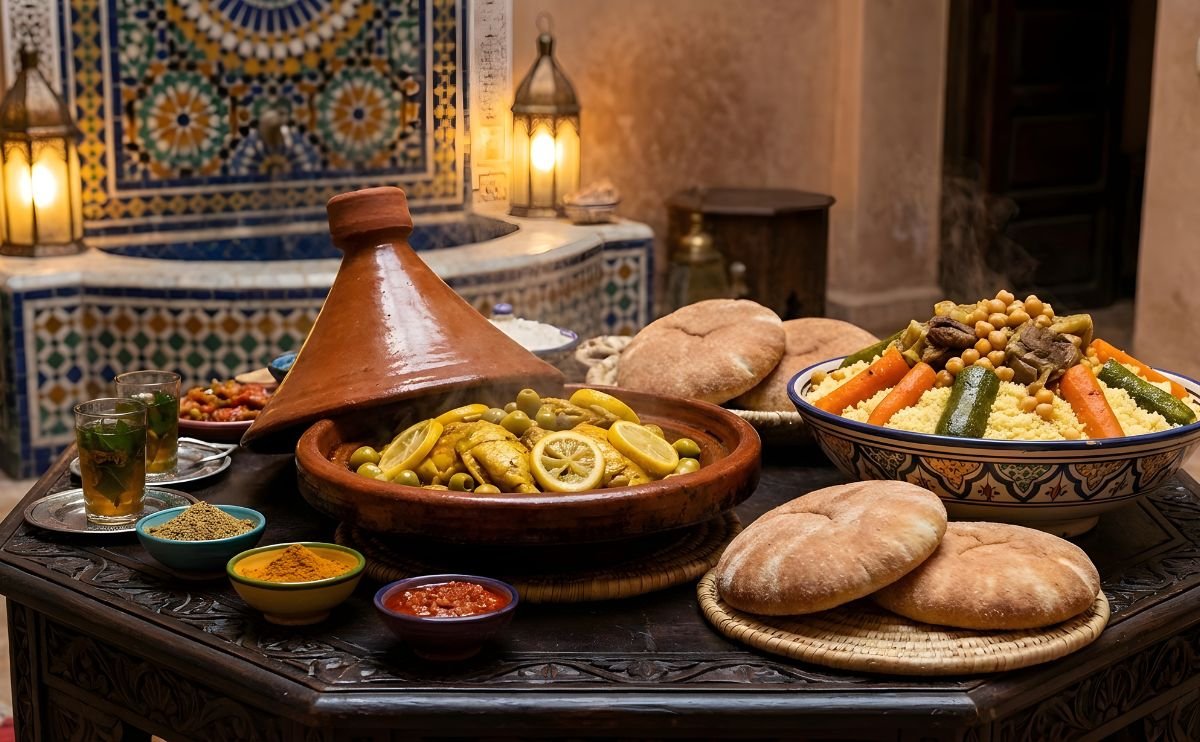
Our handcrafted ceramic tagines are inspired by traditional Moroccan cooking and Amazigh design. Each tagine is carefully shaped and decorated by hand, making it both a functional cooking vessel and a beautiful serving piece.
Ceramic Plates
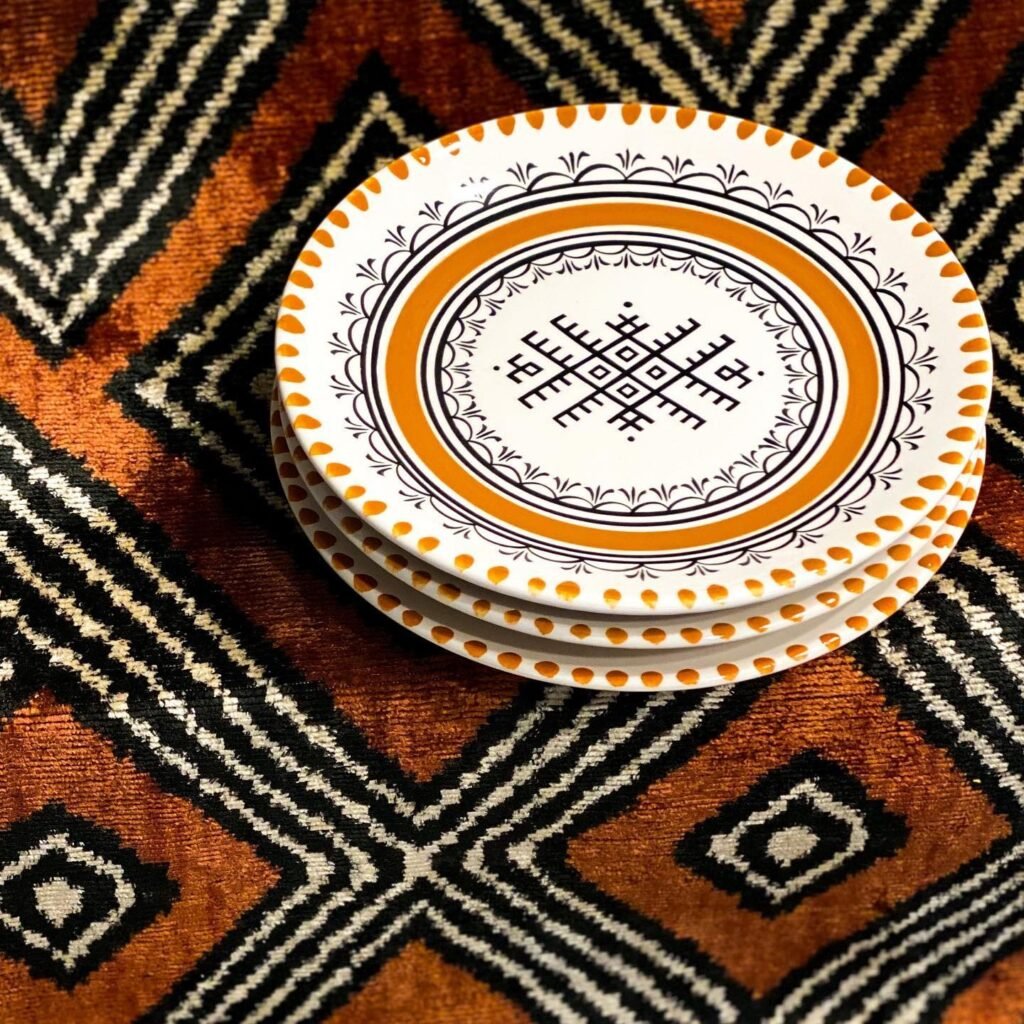
Our ceramic plates feature hand-painted geometric patterns inspired by Amazigh artistic traditions. Designed for everyday dining or special occasions, each plate showcases the natural character and individuality of handmade craftsmanship.
Ceramic Vases
Our ceramic vases combine traditional Moroccan artistry with timeless decorative appeal. Whether displayed with fresh flowers or as standalone pieces, they bring warmth, texture, and authentic craftsmanship into any space.
Ceramic Pots
Our handmade ceramic pots reflect the simplicity and durability of traditional Moroccan pottery. Crafted with care, they are suitable for both decorative and practical use while celebrating the natural beauty of handcrafted ceramics.
Ceramic Bowls
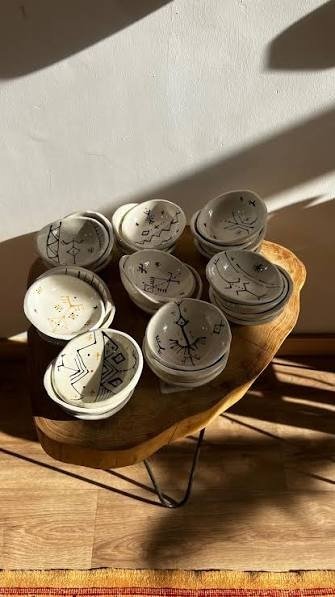
Our ceramic bowls are designed for both everyday use and elegant presentation. Decorated with traditional Amazigh-inspired patterns, they are ideal for serving meals, snacks, salads, or simply adding handcrafted beauty to your table.
Ceramic Serving Sets
Our coordinated ceramic serving sets bring together matching handcrafted pieces designed for sharing meals with family and friends. Each set reflects the artistry of the Middle Atlas while combining practicality with traditional Moroccan craftsmanship.

A Living Tradition
Every piece in our collection is handcrafted by skilled Moroccan artisans using techniques passed down through generations. Because each item is made by hand, slight variations in colour, glaze, pattern, and shape are a natural part of the process, making every piece truly one of a kind.
At Harnile, we are proud to share the rich ceramic heritage of Morocco’s Middle Atlas through timeless handmade creations that celebrate culture, craftsmanship, and everyday beauty.